SiNEM
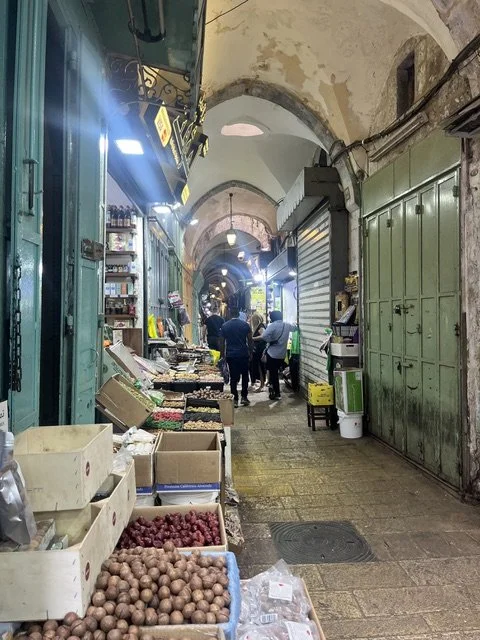
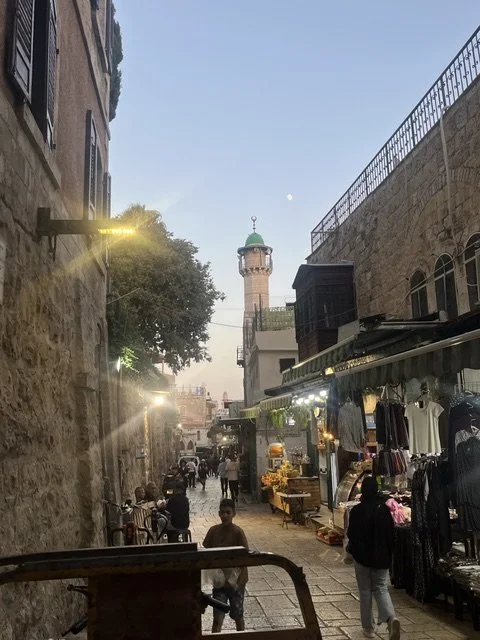
I completed my internship at Grassroots Al-Quds, where I worked with the research department, conducting a study on the economic situation of merchants in the Old City of Al-Quds and their connection to the city and their work.
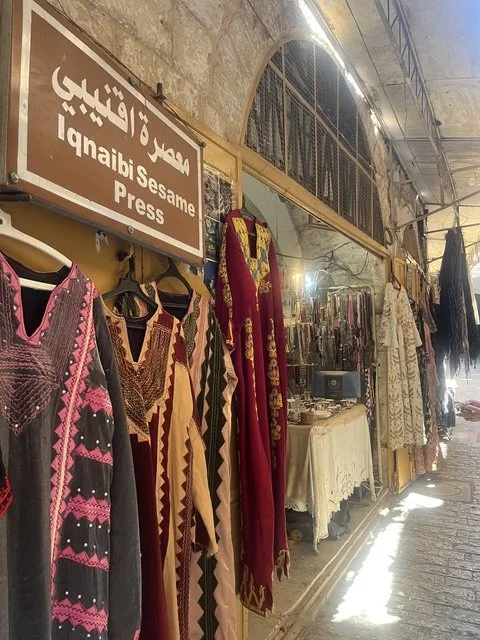
I had the opportunity to interview several Palestinian merchants about the economic conditions they face, as well as their ties to their shops and the traditions passed down through generations. I spent hours with these merchants in the Old City. They explained to me how colonial taxes are strangling them, and how restrictive policies are driving away their customers. Some pay out of their own pockets just to keep their stalls open, losing money every single day. While some have considered leaving, most stay because this city represents their heritage, their life, their very blood.
It was deeply enlightening to speak with people directly affected by colonial policies that make economic survival so difficult. I also saw the clear link to tourism: the colonial state goes to great lengths to divert tourism away from Palestinians, discouraging visitors from shopping at or patronizing Palestinian-owned businesses. Everything is designed to favor Israeli tourism. For instance, if you use Google Maps or search for hotels, you only find Israeli landmarks or hotels in West Al-Quds; in East Al-Quds, where the majority of the population is Palestinian, there is virtually nothing. This is precisely why the work of Grassroots Al-Quds : creating an alternative form of tourism.
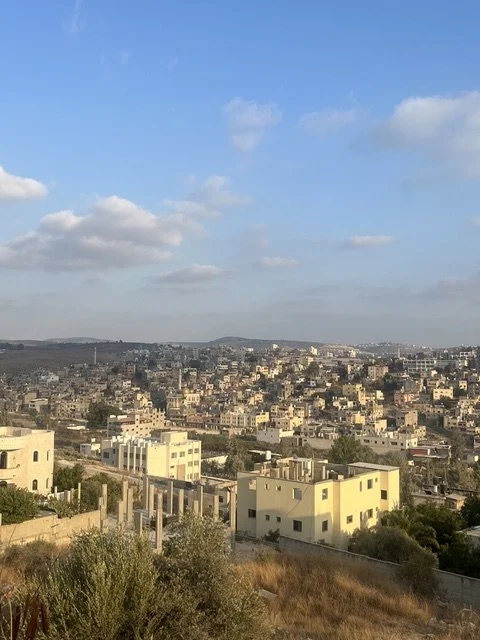
During our field trips, we had the opportunity to visit Tulkarem and Jenin, though we could only view the refugee camps from a distance, as access was blocked, as well as the Freedom Theatre and Dar Qandil. It was an intense day; the Palestinians in these two cities face immense daily hardships, and the military’s conduct is often highly violent, as these towns are known for their resistance. Witnessing the consequences that Palestinians endure for resisting is harrowing, yet it also clearly revealed their resilience.
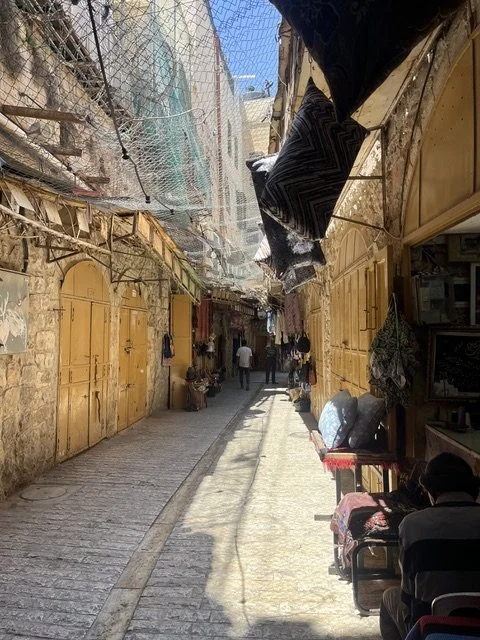
This resilience manifests in various ways. In Al-Quds and Al-Khalil, for instance, shopkeepers continue to open their doors every single day, even when there are no tourists, and despite concerted efforts to force them to leave or shut down their businesses. In Al-Khalil, even when the streets are completely deserted, the shops remain open. Because, for some, leaving Al-Quds or Al-Khalil would mean accepting their own disappearance from their own history.